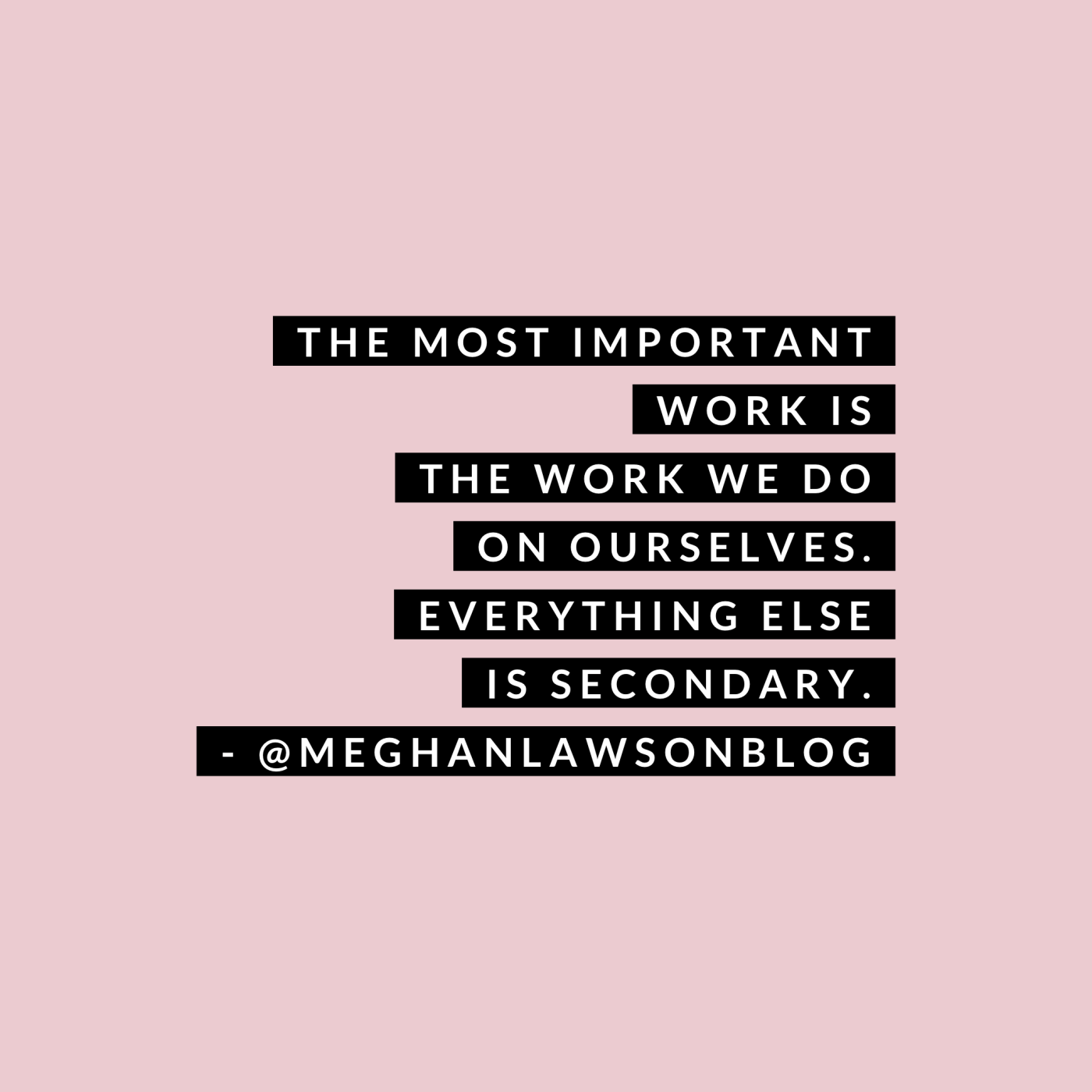
I think one of the most overlooked areas for growth in our profession is our self-work. There is a good amount of time spent on our content and on research-based practices. Certainly, this is important. We want to be current and as skilled as possible when it comes to the instructional moves we make in schools.
Often overlooked, however, is the self-work part. Our ability to listen deeply. Our ability to recognize when our reactions or behaviors are a response to a threat to our egos. The work of setting healthy boundaries with others and healthy expectations for ourselves. The practice of bouncing back when we experience a setback. Cultivating genuine curiosity, learning, unlearning, and relearning and allowing everyone we encounter to stretch us and teach us something. Basically, our ability to be human in a deeply human profession.
I had the opportunity to practice that this week. I had a meeting one-on-one with someone where I shared that there were a few instances in our work together that did not go the way I would have liked. I opened by sharing what I thought I could have done differently and apologized for the impact of my actions. This opened the floor for the person to share how it made them feel, and we together talked about what I would do differently moving forward.
When it comes to being a leader, it’s not about being perfect or getting things right the first time. It’s about how we respond when times get tough, and how we take ownership over our actions, decisions, and the impact those actions and decisions have on others. When it comes to modeling vulnerability and what it means to be a learner, leaders go first. In doing so, we open the door for others to do the same. If the people in higher levels of leadership are not modeling this, we make these jobs seem like something only “tough people” or “perfect people” do, and there are no perfect people. The last thing this profession needs are people who do not feel capable or worthy of taking on roles in schools.
As I mention in my upcoming book, Legacy of Learning, our schools don’t need more shiny perfect people. We need more deeply human people. Modeling care, reflection, sincere apologies, and learning, and changed behavior. We need people who see, celebrate, and utilize the strengths of others. People who truly believe we are better together.
It starts with being willing to go first. Share when you are unsure or don’t know. Model figuring it out together and listening to others who likely know more than you do. Model what it looks like to make mistakes, learn from them, and make it right.
That’s leadership.
The most important work is the work we on ourselves. Everything else is secondary.
 MEGHAN LAWSON
Leave a comment