There is a japanese term “Wabi Sabi” that essentially means beauty in simplicity, authenticity, and imperfection. I learned about this term from Adam Grant in his most recent book, Hidden Potential where he shares how detrimental an obsession with perfection can be to progress.
As someone who has been fighting a lifelong battle with perfectionism, so much so that I mention it in my book, Legacy of Learning, I found this concept of Wabi Sabi deeply uplifting.
I started thinking about the beauty of imperfect happy accidents. It’s silly but even just yesterday, I received my grocery delivery and pulled something out a bag that I knew I had not ordered. Pizza Hot Pockets. I checked my receipt to see if this was a wild substitution for something out of stock but no. I wasn’t charged for it, and this glorious surprise item had me laughing as I remembered being in junior high and making myself an after school snack. I can still feel the scalding hot liquid shooting out of that thing and into my mouth.
But there are much more remarkable happy accidents that have made a significant difference in our lives both from a convenience standpoint and also health and wellbeing where people set out to do something and instead stumbled into a different innovation which has proven valuable. Stories about innovations such as the microwave, post it notes, super glue, potato chips, X-rays, matches, dry cleaning. It is life-giving to read these stories, and we have much to learn from them.
We place so much emphasis on being purposeful and passionate in our work and in the learning process in school. And certainly, I see the value. But it’s the play part that we often undervalue. We tend to undervalue the messy, imperfect, play part of the learning process. The emphasis on doing high quality work, and the emphasis on the learning products could be detrimental to meaningful learning if not flanked with the joy of uncovering, playing, wondering, and low stakes creating.
I’m reminded of Bob Ross who inspired so many of us to pick up a paint brush and simply try because mistakes were not mistakes at all. He said, “We don’t have any mistakes here. We only have happy accidents.” And he would prove to you that this was true because you would watch him create beautiful trees out of initial errors.
If we take Wabi Sabi out of our schools and the learning process, we also limit our humanity in these spaces and our capacity for connection and belonging. I grew up during a time when how things looked seemed to matter more than how things actually were. So, I am forever reminding myself that we cannot lose if we are learning. And perfect enough is enough.
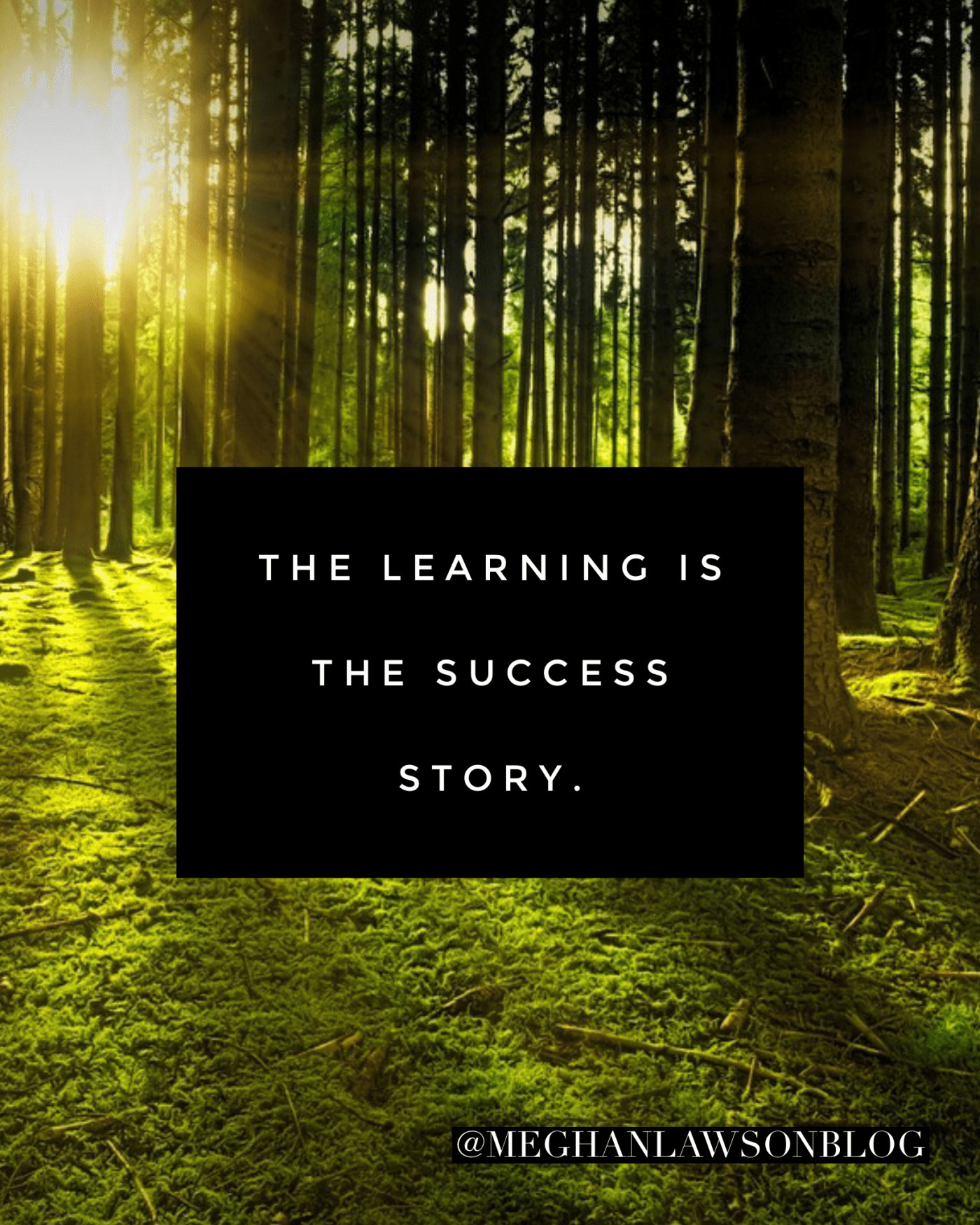
Because there is no perfect and the longer we chase something that is out of our reach, the longer we’ve delayed the opportunity to learn from happy accidents. There are many ways to be successful. No two stories are the same. But too often, the stories we hear and share in our schools emphasize the hustle and grind alone. Period. End of story. But sometimes, success is simply learning to live fully in the present moment with a heart full of gratitude that you are working on something important to you. And even if it doesn’t turn out exactly as you planned, you are not the same person you were before you allowed your experiences to teach you and shape you. The learning is the success story.
In our effort to innovate and lead and make our marks, let’s make sure we don’t miss the opportunity to learn from those unexpected little happy accidents and instead of hiding them or running from them, embrace them and allow ourselves and others to be transformed by them.
Because somewhere in those happy accidents, somewhere in the Wabi Sabi, that’s where we find ourselves at our best. Curious and playful and open.
 MEGHAN LAWSON
Leave a comment